How Auckland Council’s deconstruction approach is building a circular future - Our Auckland
9 June 2026
How Auckland Council’s deconstruction approach is building a circular future
When Auckland Council began the monumental task of relocating or removing more than 1,200 flood-affected homes across Tāmaki Makaurau following the 2023 severe storms, simply demolishing them wasn’t an option.
A new deconstruction approach is helping keep viable homes and materials in use, create local jobs, and support Māori and Pasifika owned enterprises.
At a glance – key impacts so far:
- 617 storm-affected homes removed so far
- 80% of material removed to date has been diverted from landfill through resource recovery schedules.
- $13 million spend with diverse Amotai suppliers, 34% of total programme spent to date.
From demolition to deconstruction
“Relocation is always our first choice,” says Cherri Davidson, one of Auckland Council’s deconstruction liaisons. “If we can’t relocate, then we’ll deconstruct. Demolition is always the very last resort.”
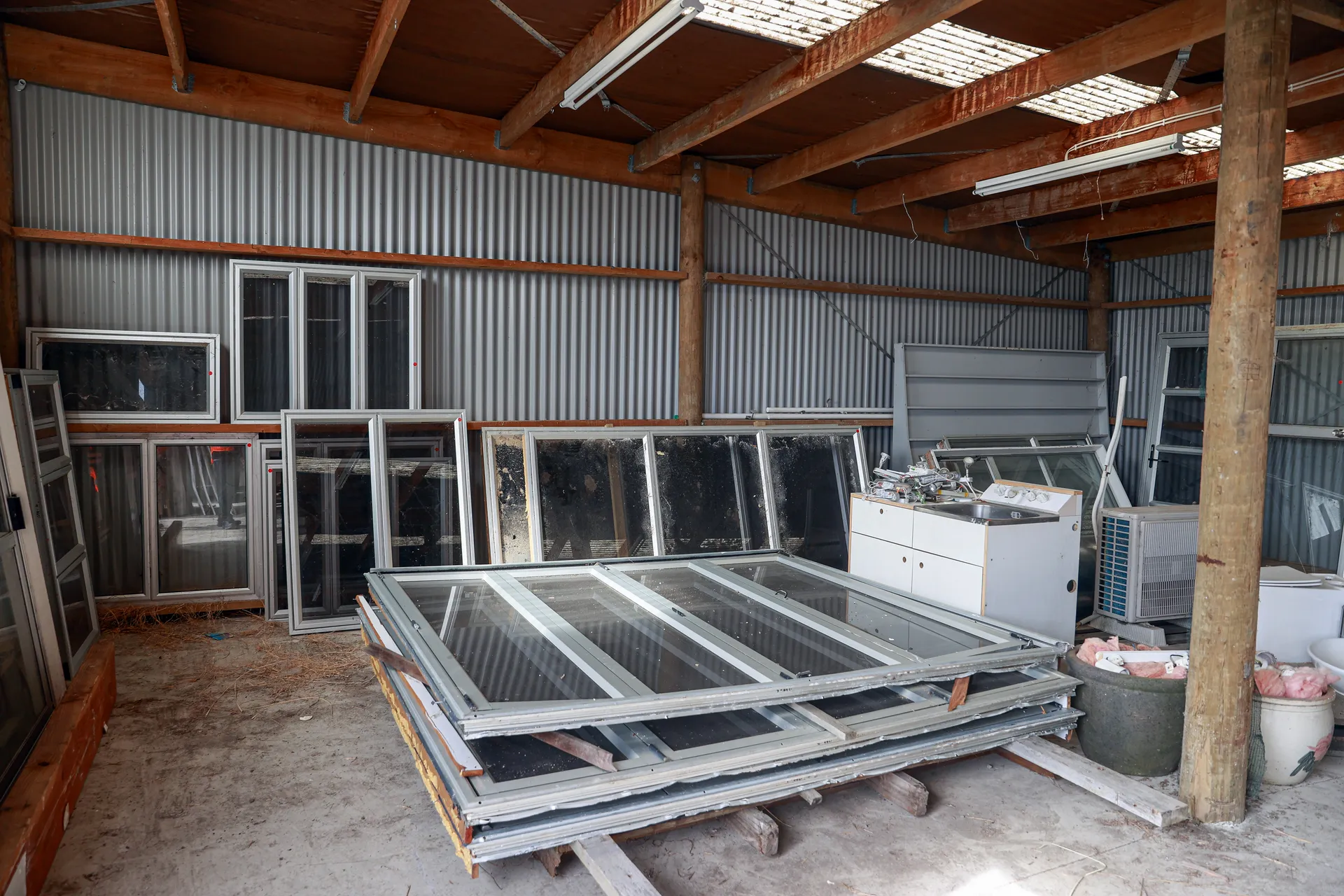
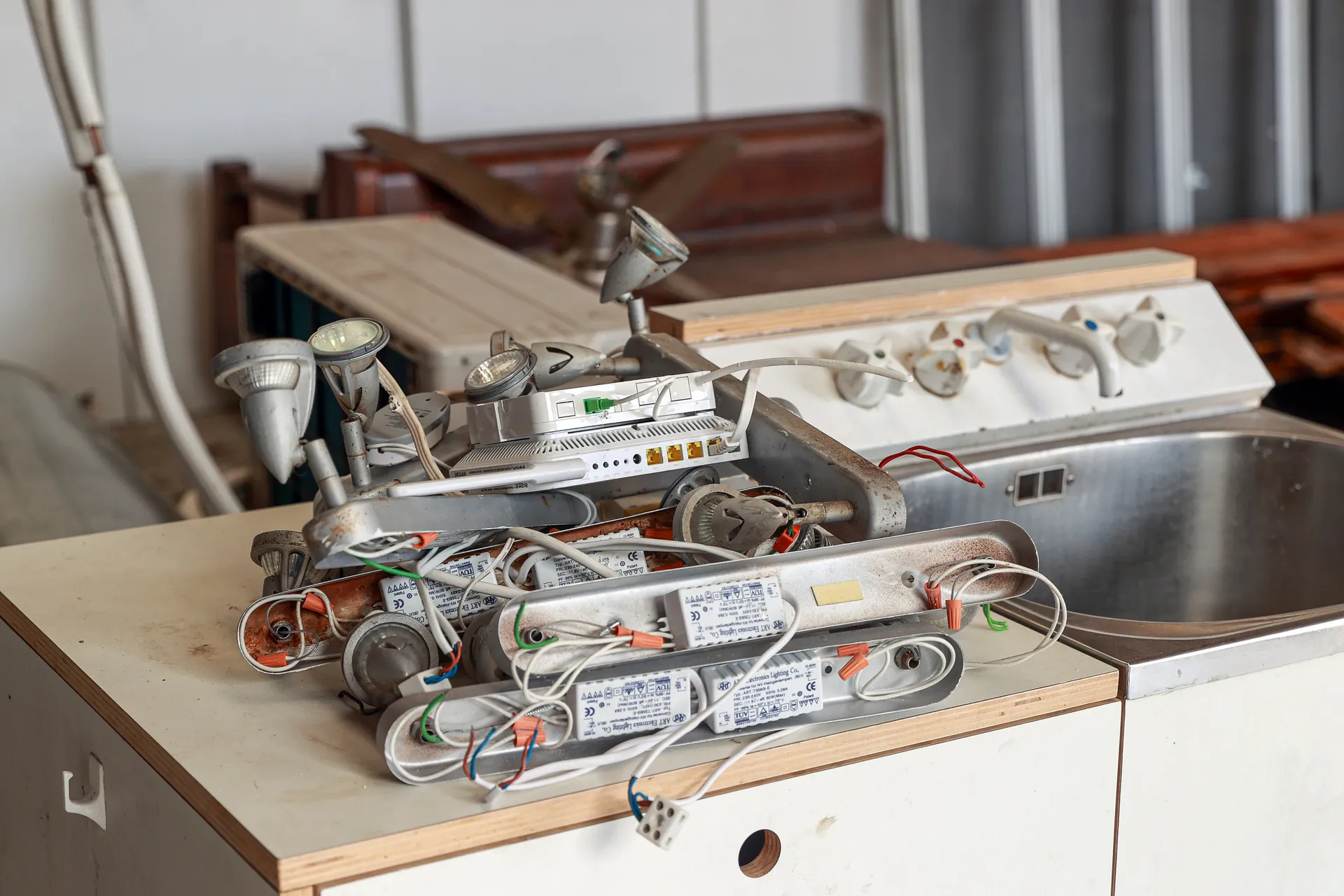
“We’re passionate about minimising waste. Every door, fence panel, and heat pump we can recover is one less thing going to landfill, and one more resource going back into our communities,” says Cherri.
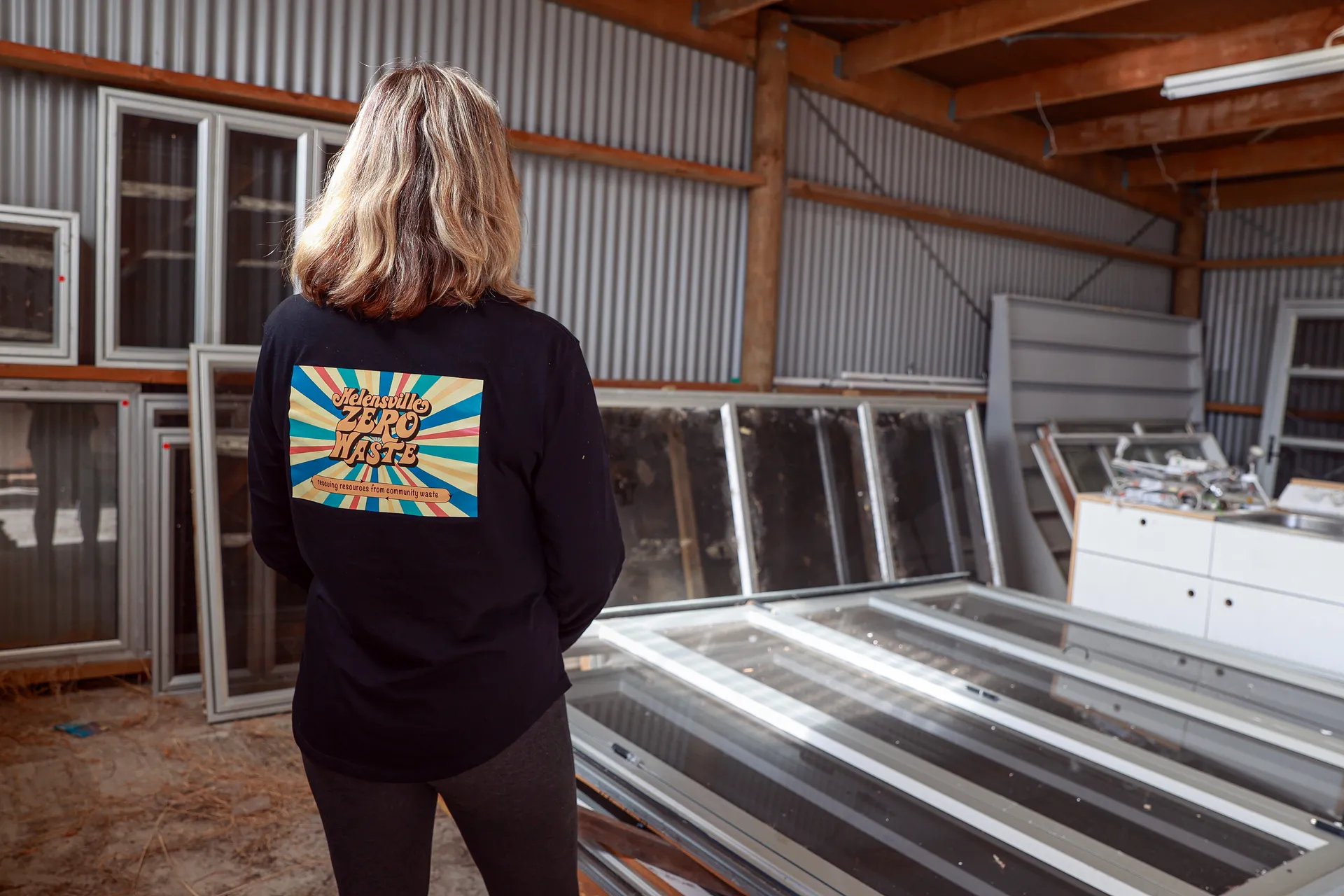
Through partnerships with Community Recycling Centres (CRCs) like Onehunga Zero Waste (OZW), usable materials are salvaged and redistributed, sometimes to schools, community groups, or training programmes.
Circular thinking in action
For Mike LeRoy-Dyson, a deconstruction advisor who works alongside colleague Claude Dewerse, this is more than a job, it’s a mission as he says, “The only real way to build long-term sustainability is through circular thinking.”
Mike and Claude used the Council’s existing Deconstruction Panel - a group of skilled contractors approved for their commitment to resource recovery.
This has enabled Council to divert significant waste from landfill as Mike says, “The challenge is always: how can we make sure nothing useful is lost?”
Diverse suppliers through a commitment to Amotai
Auckland Council’s commitment to supporting diverse Māori-and-Pasifika owned businesses (registered with amotai.nz) is reflected in the Deconstruction Panel (40% Amotai registered). This panel has meant Amotai suppliers like Onehunga Zero Waste (OZW) and Clear Site have been able to grow as enterprises and secure direct awards.
For Rocky Haddon, owner of Clear Site, becoming Amotai-registered and joining the Deconstruction Panel opened new doors. “The majority of our team are Māori and Pasifika,” he says. “As well as locally where possible, we’ve started donating deconstructed materials up North, trying to share the benefits with iwi.”
“As well as locally where possible, we’ve started donating deconstructed materials up North, trying to share the benefits with iwi.”
These organisations and others such as Awataha Marae and Trow Group, connect recovered materials with skills and training opportunities for rangatahi. Awataha Marae’s vision is to develop a Northcote-based initiative where young people learn construction and renovation skills using reclaimed housing materials, while also helping whānau into homes.
“It’s about building circular systems that also build people,” says Claude.
Similar partnerships are emerging beyond Auckland, such as in Ōpōtiki, where Māori-owned Amotai-registered businesses like Waiariki Enterprises are already relocating homes and building papakāinga housing on iwi-owned land.
Māori and Pasifika businesses building employment pathways
Rocky sees enormous potential for the sector if Council and iwi can partner to create training and employment pathways for rangatahi. “If we could support and fund teams of young people learning to deconstruct and reuse materials, a lot of contractors on the panel would want to utilise their skills,” he says. “I’m hopeful we can create even more jobs, skills, and homes from what would otherwise go to waste.”
Through gaining opportunities from Auckland Council’s recovery programme, Amotai-registered OZW has been able to create meaningful employment pathways for rangatahi who might otherwise have been overlooked. OZW has assisted several young people to gain their first formal qualifications, through partnerships with local training providers such as Vertical Horizons. “Most of our guys didn’t have NCEA Level 1,” Jamal says. “It’s a huge achievement for our team and it’s helped equip them to tackle tough jobs with confidence.”
However, Jamal notes that sustaining a consistent pipeline of work remains a challenge. Tendering for contracts can be time-intensive, and the niche, hands-on nature of deconstruction work isn’t yet well understood in a market built around demolition. “The approach takes time, care, and skilled workers. You can’t do this with a digger.”
Even with these pressures, Jamal remains optimistic. He believes that as awareness grows, so too will the opportunities for enterprises like OZW that prioritise both environmental and social outcomes. “Our point of difference is better environmental and social outcomes,” he says. Jamal shares the story of one worker who went from having no experience to being offered a job onsite by a much larger company but turned it down. “He said no because OZW is where he wanted to stay,” Jamal says proudly. “That’s the kind of loyalty and self-belief this kaupapa creates.”
A model for sustainable recovery
For Mark Roberts, from Auckland Council’s Waste Solutions department, this programme represents a breakthrough in how local government can lead large-scale sustainable recovery.
“When we realised the scale of the waste challenge after the floods, we knew we needed allies who could deliver on sustainability and help show it doesn’t have to cost more,” he says. “No one in Australasia has attempted a recovery and deconstruction programme at this scale before.”
He credits the innovation and passion of the team and their partnerships for proving that circular approaches work. “The resource recovery schedule that Mike and Claude developed is a game-changer. It’s setting the standard for how we can manage site clearances responsibly, with social and environmental impact being front-of mind instead of an afterthought.”
From young people learning trades through Māori-led initiatives, to contractors like OZW and Clear Site creating local jobs and distributing materials to communities, the ripple effects are already being felt.
“This is just the beginning,” says Cherri. “We’re showing that recovery can be regenerative, for people, for the planet, and for Auckland’s future.”
Auckland Council’s work in this space has just been recognised at the WasteMINZ + ALGA Awards for Excellence 2026, with the home removal programme being awarded the Excellence in Resource Recovery award.
Check out this exciting video to hear more from Jamal - the General Manager at Onehunga Zero Waste.