From Te Tai Tokerau to Tāmaki: the women building beyond school walls
Two wāhine, (Morgan Hiko and Liz McKenzie) recount how their decision to join Amotai and connect with the Ministry of Education (MOE) has had a snowball effect in their respective businesses.
21 January 2026
In Aotearoa’s construction and project management sector, people arrive in their roles through all sorts of pathways. For Liz McKenzie (Ngāi Tahu), who leads LM Consulting from Whangārei, and Morgan Hiko (Ngāti Te Ata, Ngāpuhi), who runs Sequinc Project Management from Awataha Marae on Auckland’s North Shore, those pathways look completely different. One built her business in Te Tai Tokerau with a focus on accessibility and schools in rural communities. The other came through retail fit outs and commercial interiors before moving into education projects.
Despite their differences, their stories have a shared thread. Both women chose to back themselves and build something in their own way. Both found meaning in contributing to schools. And both describe a ripple effect that has travelled beyond a single contract or opportunity.
This is the kind of impact that supplier diversity is designed to create. Small introductions and decisions that create uplift and opportunity for many.
Taking a leap, each in their own way
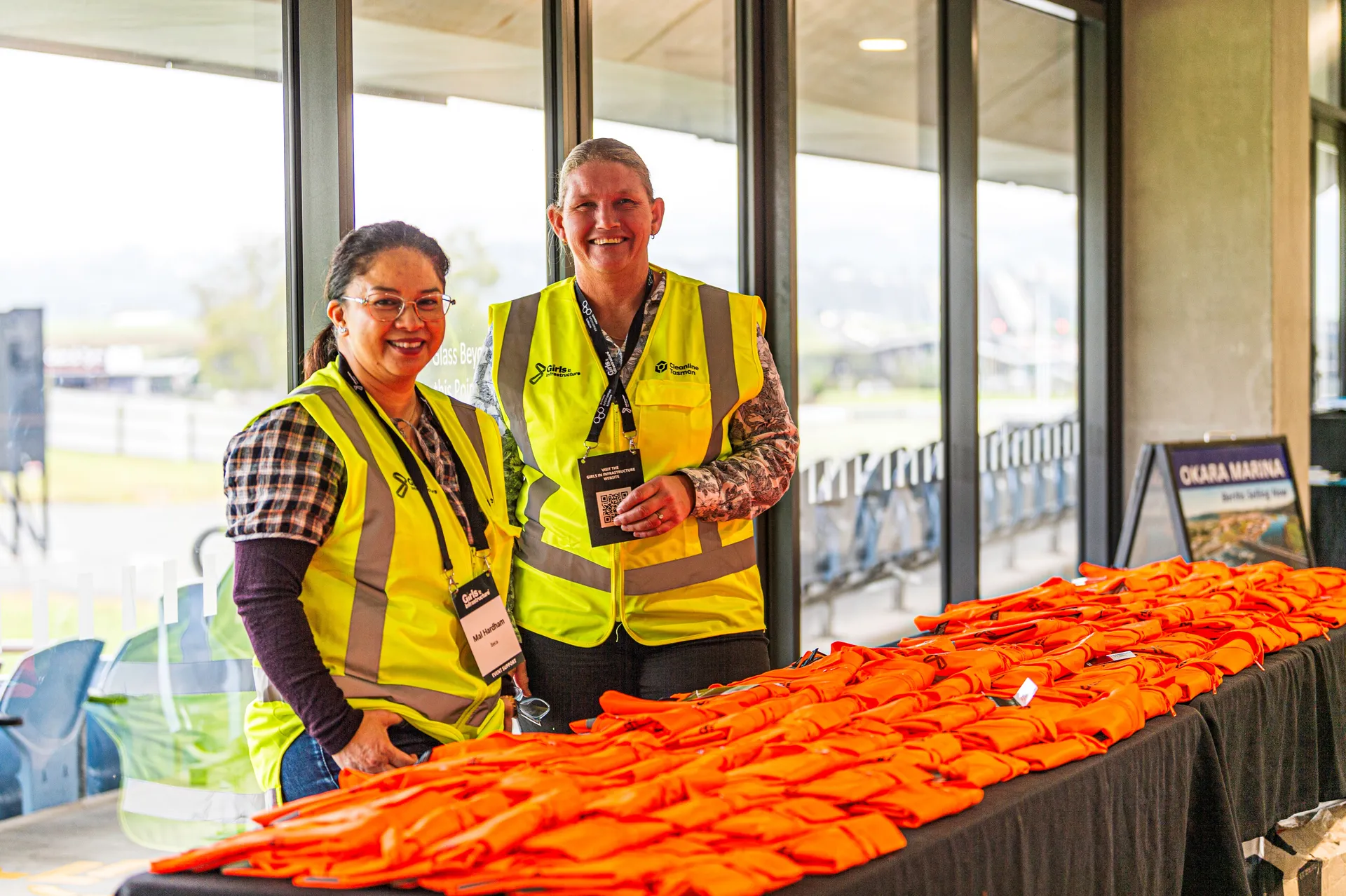
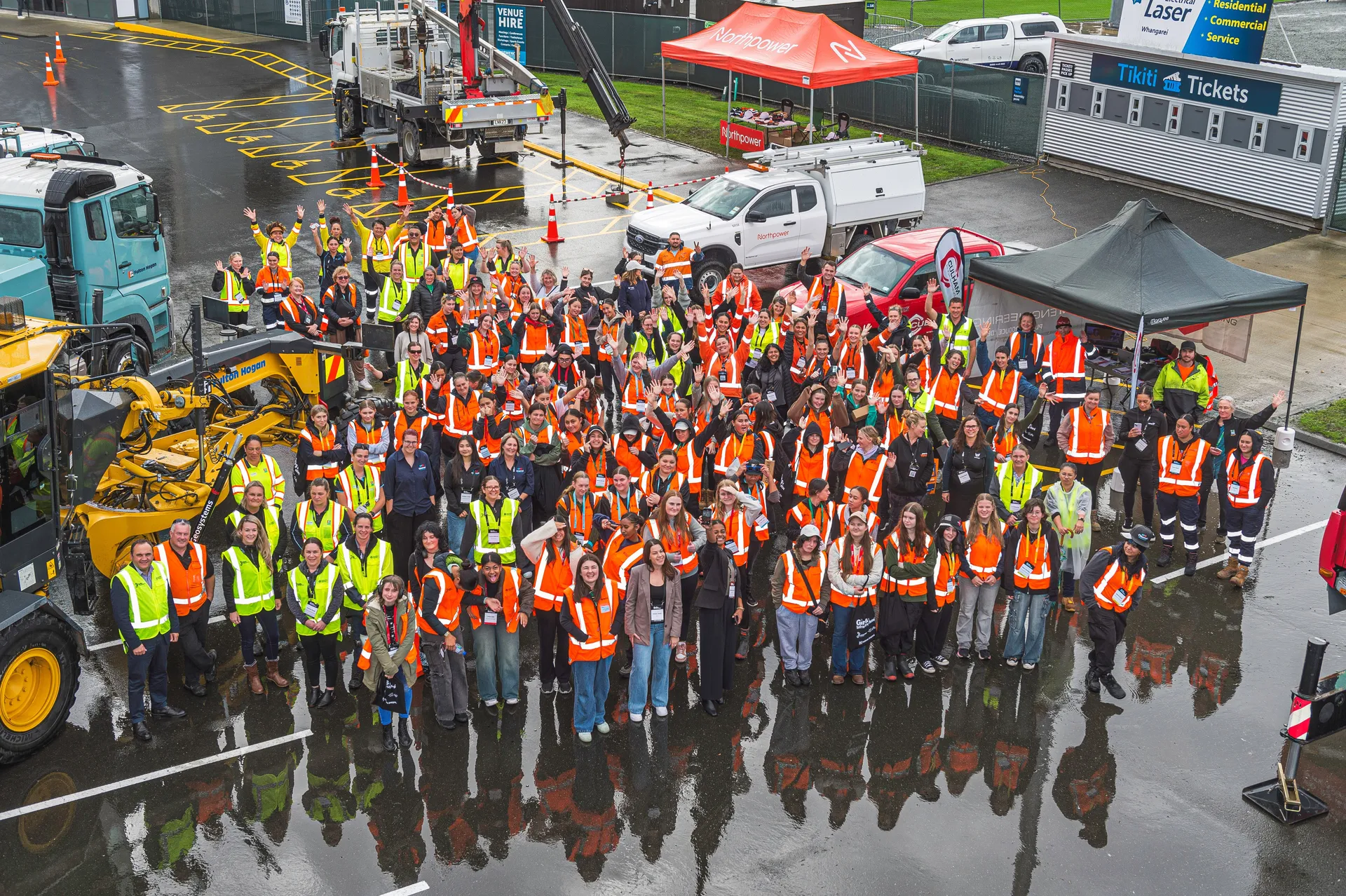
Liz McKenzie (right) volunteering at the Girls in Infrastructure event in Whangarei
Liz: backing herself and building something of her own
A decade ago, Liz reached a crossroads. She had spent years working in the building industry and project management, and after a close friend encouraged her for several years to go out on her own, she made the decision to back herself.
“I thought, bugger it, I can do it myself,” she says. The move was not easy. She was a solo mother to two teenage boys, with only six weeks of holiday pay to fall back on, and no business savings or external support.
What gave her the confidence to step forward was her lived experience, her relationships and a quiet belief that if she did good work, the work would come.
Her early connection with the Ministry of Education (MOE) was especially meaningful. For years, Liz had supported her mother, who was a tetraplegic.
“Having that close relationship with someone in a wheelchair makes you empathetic to the environment,” she says. “It shaped the way I see access and the barriers people face.”
Because of that, her earliest projects, which involved special needs modifications for schools, felt deeply aligned with the values she carried into her business.
Morgan: finding her calling through caring for people
Morgan’s journey began in retail fit outs and commercial interiors. After working for several companies, she noticed a pattern that did not sit well with her.
“People would say, ‘it’s just business, don’t take it personally’, but for the shop owners it was personal. They were investing their own money. I wanted them to feel taken care of.”
That approach shaped Sequinc Project Management from the beginning. Her early projects were filled with tight deadlines and big retail brand refreshes. Clients trusted her because she cared about the people behind the project just as much as the delivery.
“I hated hearing stories about subcontractors not getting paid, or having to work until 3am,” says Morgan.
In 2023, retail and commercial work began to slow. Around the same time, she received a call from Amotai’s Missy Armstrong asking if she would be interested in putting her name forward for MOE project management work. The timing was coincidental, but pivotal.
The next day she joined an online briefing for suppliers. The day after that she was at Manurewa East Primary School meeting the principal for her first MOE project.
“It was a completely different world,” she says. “But it was the opportunity I didn’t know I needed.”
That introduction opened the door to a new phase of her mahi, one centred on schools, and community focused projects she cares deeply about.
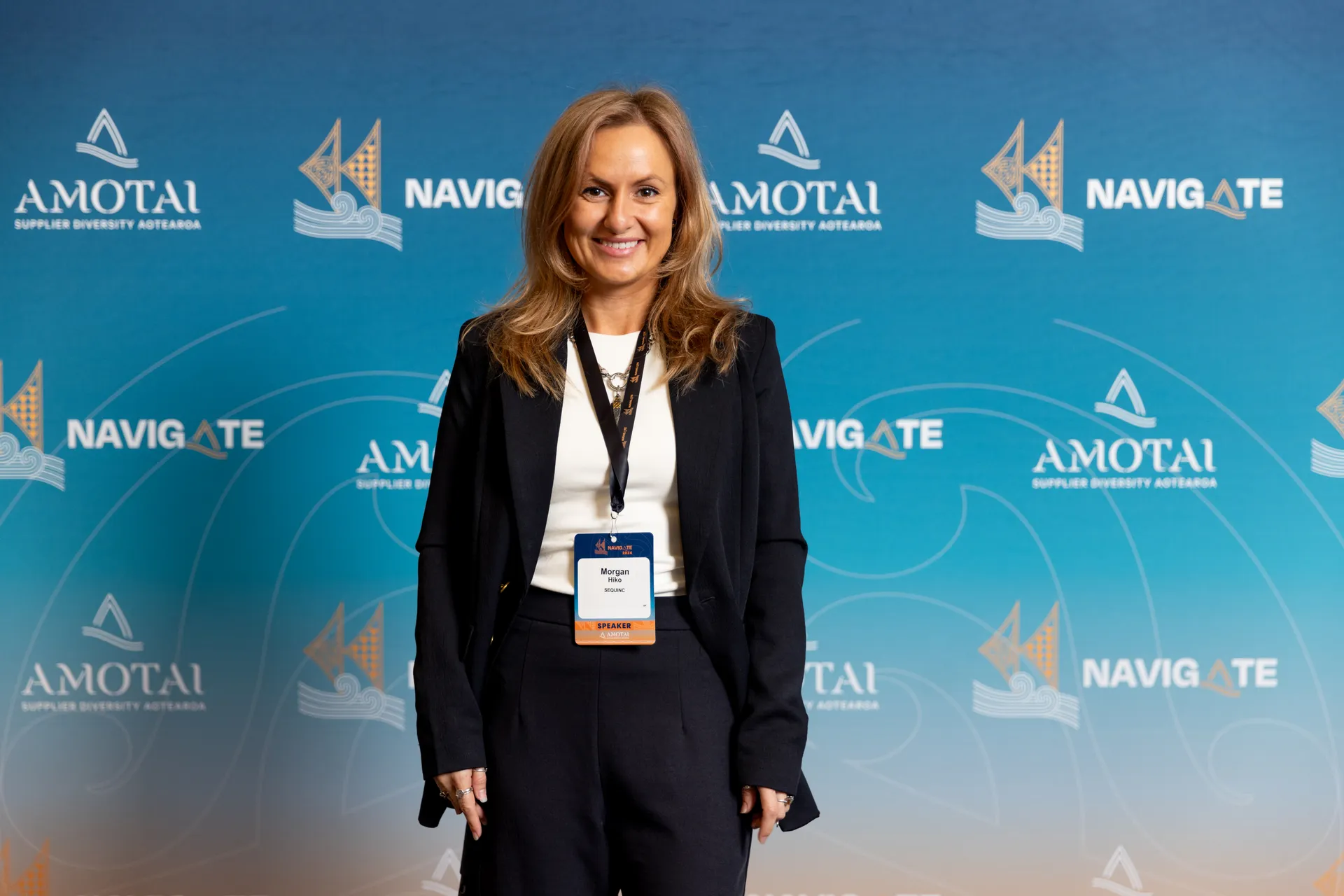
Morgan Hiko at the Amotai Navigate Summit 2024
What working with schools means to them
Liz’s work stretches from Auckland to the very top of Aotearoa, supporting schools of every size and in some of the most remote parts of Te Tai Tokerau. Some schools she visits are more than 30 kilometres down gravel roads, and her weeks can involve hundreds of kilometres of travel. She sees this as part of her responsibility to the region.
“Those tiny rural schools, deserve the same support as anyone else,” she says. “And it feels good knowing that they’re well looked after.”
Her understanding of accessibility guides much of her thinking. Whether she is overseeing special needs modifications, water supply upgrades or construction programmes, she is always conscious of how students, teachers and whānau will use these spaces. Many of the challenges rural schools face are practical ones, such as limited access to specialised contractors, and Liz is committed to finding local solutions wherever she can.
Morgan experiences her MOE mahi through the lens of community connection and youth development. Over the last 18 months Morgan has been intentional about linking opportunities that come through her work to social initiatives that support youth and employment pathways.
She sees every project as an opportunity to create positive experiences for the next generation. “There are kids I’ve taken on site who are now thinking about apprenticeships.”
Morgan regularly brings rangatahi onto project sites. They sit in on meetings with principals, observe site measures and gain exposure to the different roles involved in property projects. “There’s no pressure on them. It’s just giving them a safe place to explore what they might be good at.”
The role of Amotai
Both women speak warmly about Amotai’s influence, not as the driver of their success, but as a catalyst at important moments.
For Liz, joining the Amotai supplier list signalled to MOE and local schools that she was aligned with broader outcomes priorities. It also gave her a practical way to find and engage Northland based civil, drilling and plumbing businesses who are part of the Amotai network. She uses the database regularly when seeking local contractors for water infrastructure and other specialised projects.
For Morgan, Amotai’s role was more direct. One introduction from Missy led to her first MOE opportunity, which led to ongoing work and deeper relationships across the sector.
Morgan estimates that around 80 percent of her project spend now goes to Amotai registered suppliers.
She also notes that through her MOE work, she met another Amotai wāhine project manager she now collaborates with. “We found a way of working together rather than one of us working for the other,” she says. “The opportunity opened a path for both of us to share the workload and stay independent.”
The ripple effect
The ripple effect created by both businesses is one of the most significant parts of their stories.
Liz has grown LM Consulting into a team of 11, with staff working across the region. Bringing her son on board after a life changing workplace accident which saw him lose his left leg, has been a moment of pride for Liz as both a mother and business owner.
“Having him join the company means a lot,” says Liz.
Her projects provide consistent work for Northland subcontractors and help keep money, skills and employment circulating within local communities.
Morgan’s ripple effect includes mentoring young people and opening doors that some of them have never had access to. She is equally committed to uplifting other wāhine in the industry. “There are women coming into this space who just need someone to open the door a little. If I have an opportunity, I want to share it.”
The people she brings into her projects, whether through subcontracting or mentoring, often go on to support others. This creates momentum and confidence across a community that is larger than her own company.
“One opportunity through Amotai has trickled down to benefits for so many others,” she says. “I’m really grateful to be part of the whānau.”
Both women speak about these wider impacts with humility. Neither set out to create a large workforce or be part of a formal youth programme, but by staying true to their values, their mahi has naturally expanded outward.